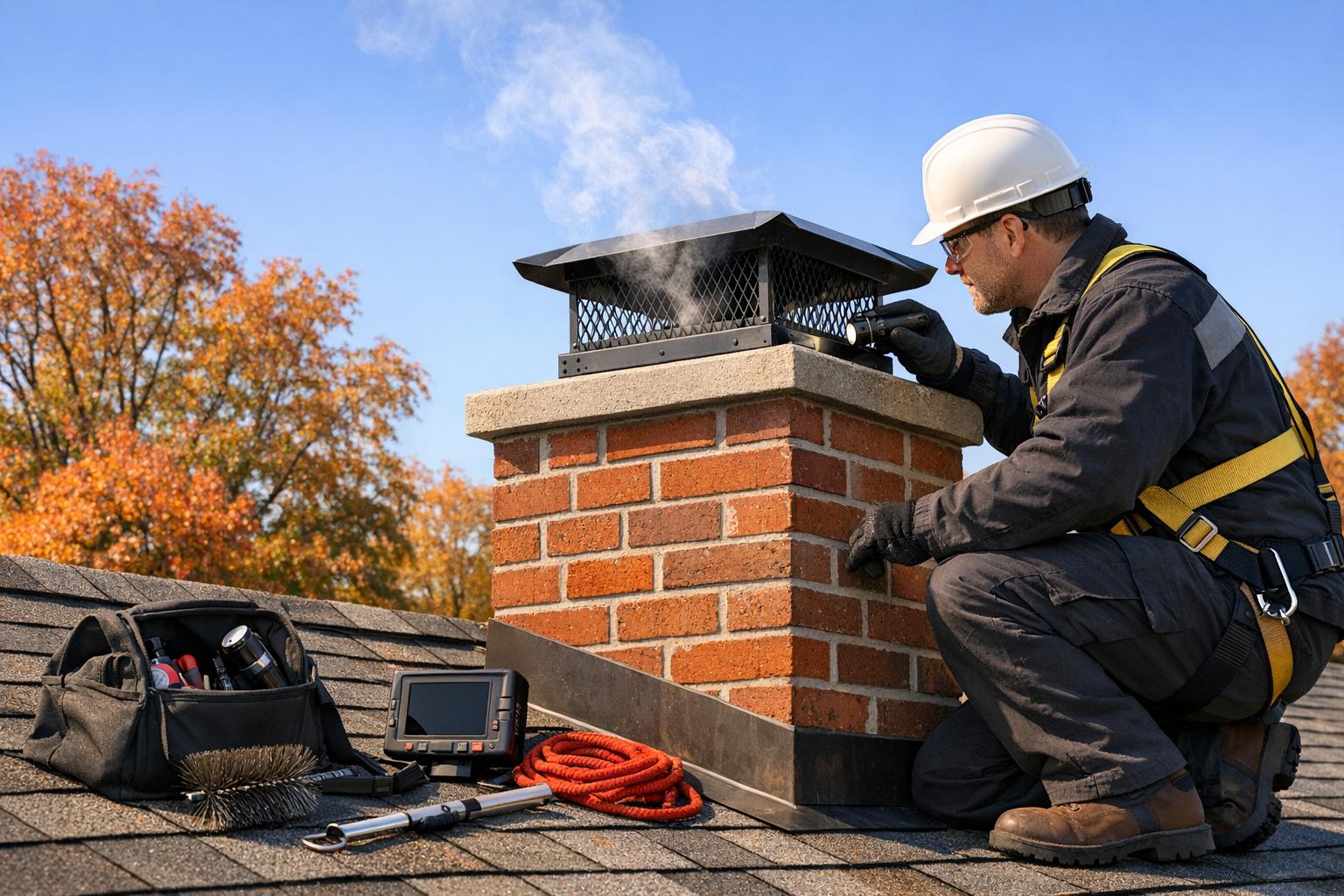
Regular chimney inspections are essential for safety and efficiency. According to the National Fire Protection Association (NFPA) Standard 211, all chimneys should be inspected annually, regardless of usage or fuel type. Here’s why it matters:
- Safety: Over 25,000 chimney fires occur yearly in the U.S., causing more than $125 million in damage. Inspections catch issues like creosote buildup, cracks, or blockages early.
- Prevent Carbon Monoxide Risks: Inspections ensure proper ventilation, preventing harmful gases from entering your home.
- Cost Savings: Addressing small problems early can save you from expensive repairs later.
Key Inspection Guidelines:
- Annual Inspections: Every chimney, even unused ones, should be inspected once a year.
- Frequent Use: If you use a wood-burning fireplace 3+ times a week, schedule checks every 3–4 months.
- Fuel-Specific Needs: Wood-burning systems need monitoring for creosote, while gas and oil systems require checks for venting and connections.
- Post-Storm or Damage: After severe weather or chimney fires, a more detailed Level 2 inspection is recommended.
Inspection Levels:
- Level 1: Basic annual check for visible issues.
- Level 2: Includes video scans for hidden problems, needed after significant events or property sales.
- Level 3: Extensive inspection requiring removal of parts, used for serious concerns.
When to Schedule: Plan inspections in late summer or early fall to prepare for winter. For wet climates, inspect after rainy seasons to address moisture-related damage.
Costs: Inspections range from $100–$300, with repairs for minor issues costing $160–$750. Regular maintenance prevents costly damages, which can climb into thousands.
Stay proactive with chimney care to avoid safety risks and unnecessary expenses.
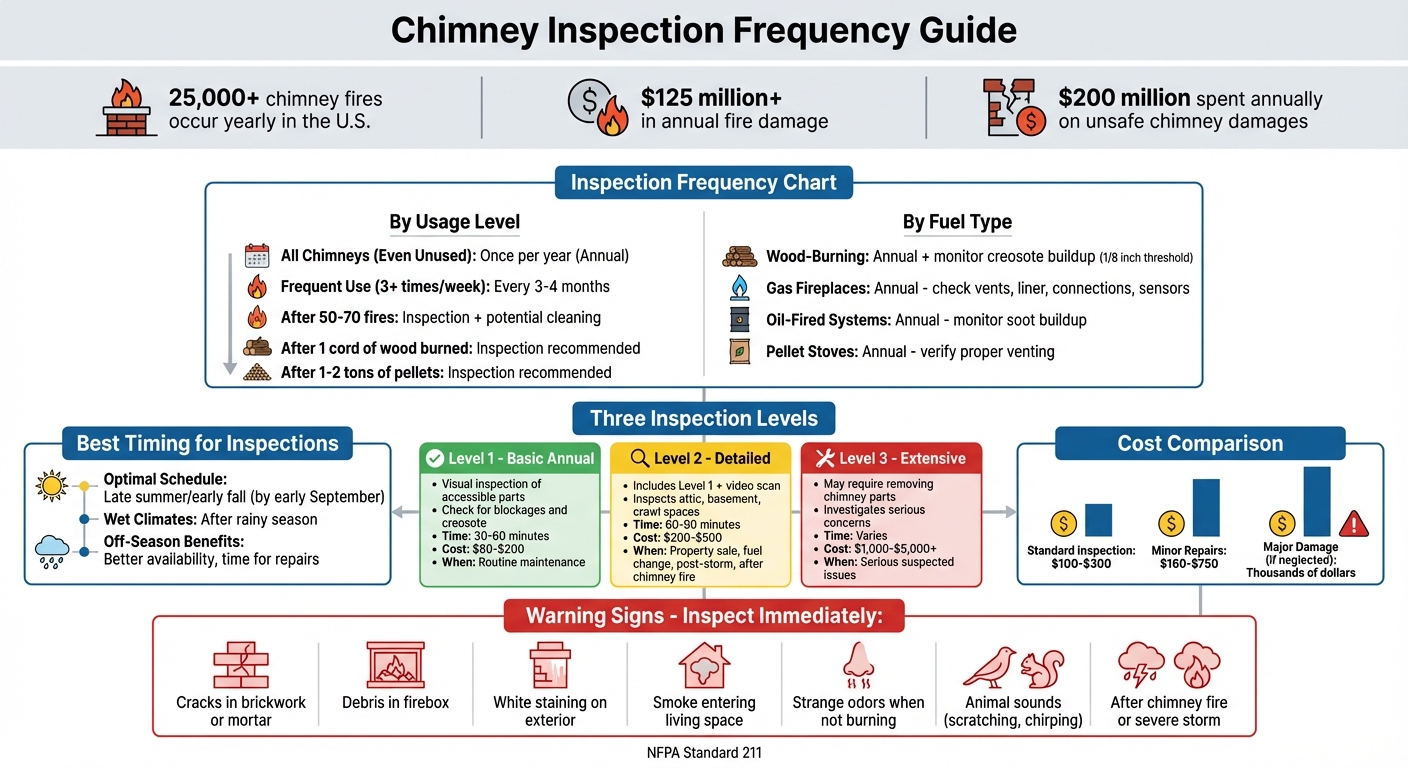
Chimney Inspection Frequency Guide by Usage and Fuel Type
How Often Should You Inspect Your Chimney?
Annual Inspections for All Chimneys
According to NFPA Standard 211 and the Chimney Safety Institute of America (CSIA), every chimney should undergo an inspection at least once a year. Even chimneys that aren’t used frequently can develop problems like animal nests, fallen debris, or mortar damage caused by freezing temperatures. Moisture can also lead to corrosion, which might weaken the chimney’s structure. A professional inspection ensures these issues are caught early, saving you from expensive repairs and reducing safety risks.
Inspection Requirements by Fuel Type
While annual inspections are recommended for all chimneys, the type of fuel you use can present unique challenges. For wood-burning fireplaces, the primary concern is creosote – a flammable, tar-like substance that builds up in the flue. If you rely on your wood-burning fireplace as a primary heat source during the winter, scheduling a mid-season inspection might be wise to monitor creosote levels.
Gas fireplaces also need yearly checkups to ensure the vent is clear, the liner is intact, gas connections are secure, and sensors are functioning correctly. Oil-fired systems can produce soot that restricts airflow, increasing the risk of carbon monoxide exposure, making inspections critical. Pellet stoves, too, should be inspected annually to confirm proper venting and overall safety.
When Inspections Lead to Cleaning
Inspections aren’t just about spotting structural problems – they also determine whether cleaning is necessary. It’s important to note that inspections and cleanings are separate services. The CSIA advises cleaning when creosote buildup reaches 1/8 of an inch inside the flue. For wood-burning fireplaces used regularly, this level of buildup typically happens after 50 to 70 fires. Metal fireplaces, on the other hand, should be cleaned as soon as visible soot appears, as the acidic residue can corrode metal parts.
During an inspection, a technician will measure creosote levels and check for "glazed" creosote, which has a shiny, tar-like appearance and requires immediate removal – even if it’s thinner than 1/8 inch. Some inspections may include a more detailed Level 2 video scan to uncover hidden issues within the chimney.
sbb-itb-5427fa3
What Affects How Often You Need Inspections
Adjusting for How Much You Use Your Chimney
If you use your chimney three or more times a week, you should plan for inspections and cleanings every 3–4 months. Frequent use leads to faster creosote buildup, which can become a fire hazard. A good rule of thumb is to schedule maintenance after burning through one full cord of wood or 1–2 tons of pellets.
Even if you rarely use your chimney, an annual inspection is still essential. Wildlife nesting or weather damage can cause blockages or structural issues that might go unnoticed but could pose serious risks.
While usage plays a big role in determining inspection schedules, environmental factors are just as important.
Local Weather and Seasonal Factors
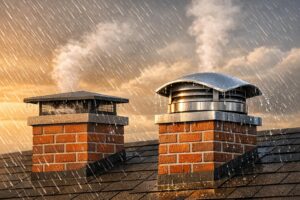
Moisture can wreak havoc on chimneys, especially in damp climates like the Seattle-Tacoma area. High humidity and heavy rain speed up the wear and tear on both masonry and metal parts. When moisture mixes with creosote, it can form acidic compounds that corrode the chimney liner and produce a smell similar to burning wood.
"Moist, cold climates can lead to a need for more frequent chimney cleaning, as the excess moisture can accelerate the buildup of creosote and soot inside the flue." – Kamron Sanders, Author, Better Homes & Gardens
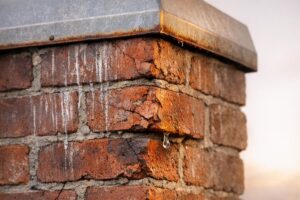
During winter, water that seeps into cracks in the mortar or crown can freeze and expand, widening those cracks over time. After major storms, a visual inspection is a smart move to catch any new damage.
Apart from weather and usage, the age and condition of your chimney also play a big part in how often it needs attention.
Age and Previous Damage
Older chimneys or those with a history of damage often require more frequent inspections. Signs of aging, such as spalling bricks, crumbling mortar, or deteriorating flue liners, can create safety hazards. These issues might allow sparks to escape or let carbon monoxide seep into your home.
"Old chimneys or those in poor condition require more frequent inspection and possibly more frequent cleaning, as cracks, loose mortar, and other deterioration could compromise the chimney and worsen the soot and creosote buildup." – Kamron Sanders, Author
If your chimney has been through a fire, earthquake, or severe storm, a Level 2 inspection with a video camera is strongly recommended. This type of inspection can uncover hidden internal damage that might not be visible otherwise. In such cases, waiting a full year between inspections could allow small problems to escalate into serious ones.
How Often Should A Chimney Be Inspected? – CountyOffice.org
The 3 Levels of Chimney Inspections
When it comes to chimney safety, not all inspections are created equal. The National Fire Protection Association (NFPA) 211 outlines three distinct levels of chimney inspections, each designed for specific situations. Here’s a breakdown of what each level involves and when you might need it.
Level 1 inspections are your go-to for routine annual maintenance. This basic checkup involves a visual inspection of all easily accessible parts of your chimney and appliance – no tools or disassembly required. The technician looks for blockages, creosote buildup, and any obvious structural issues. These inspections are ideal if your chimney’s fuel type or appliance hasn’t changed. They typically take 30 to 60 minutes and cost anywhere from $80 to $200.
Level 2 inspections take things up a notch. Along with everything included in a Level 1 inspection, this level adds a video scan of the flue liner and a closer look at areas like your attic, basement, or crawl spaces. This type of inspection is essential when buying or selling a property, switching fuel types (like moving from wood to gas), relining the flue, or after events like a chimney fire, earthquake, or severe weather. The video scan provides a detailed, 360-degree view to detect hidden cracks or gaps. Plan for 60 to 90 minutes and a cost range of $200 to $500.
Level 3 inspections are the most in-depth and are only done when serious issues are suspected. These inspections may involve removing parts of the chimney or surrounding structures, such as drywall or the chimney crown, to uncover hidden hazards. A Level 3 inspection is only necessary if problems found during a Level 1 or 2 inspection require further investigation. Because of the invasive nature of this procedure, costs can range from $1,000 to $5,000 or more.
"A chimney inspection is like an annual dental check-up. It’s preventative maintenance that helps minimize potential hazards." – Ashley Eldridge, Director of Education, CSIA
When to Schedule Your Chimney Inspection
Late Summer and Early Fall Inspections
Planning your chimney inspection for late summer or early fall is a smart move to prepare for the colder months ahead. With inspection costs ranging from $100 to $300, it’s a small price to pay for winter peace of mind. Aim to book your appointment by early September, giving yourself enough time to address any repairs before the busy season kicks in. This timing not only ensures your chimney is winter-ready but also makes it easier to secure an appointment during less hectic months.
Benefits of Off-Season Scheduling
Scheduling your inspection during spring or summer comes with several perks, including quicker appointment availability and more flexible time slots. If any issues arise – like a cracked flue or a damaged chimney cap – you’ll have plenty of time to fix them before the winter chill sets in. Plus, these seasons offer ideal weather for masonry repairs, which can be tricky to handle in extreme heat or freezing conditions.
Timing for Wet Climates
For those living in wet climates, such as the Seattle-Tacoma area, timing your inspection right after the rainy season is key. This allows you to spot masonry cracks and address water damage before it worsens. Pay close attention to the chimney crown, as cracks here can weaken the structure.
Warning Signs You Need an Inspection Now
Even with regular maintenance, certain red flags signal the need for an immediate chimney inspection.
Visible Damage or Fallen Debris
If you notice cracks in the brickwork, mortar, or chimney crown, don’t ignore them. These gaps can weaken the structure and allow heat or sparks to escape, potentially igniting nearby flammable materials. Another critical warning? Debris in the firebox. This often points to a deteriorating flue liner, which can lead to dangerous carbon monoxide leaks into your home’s living spaces.
White staining on the chimney’s exterior is another clue – this indicates moisture damage that can weaken masonry over time. Inside the firebox, try a scratch test: run your fingernail along the chimney walls. If you find thick, dark residue, it’s time for a professional inspection. Even a thin layer of soot – just 1/10 inch – can reduce your heating system’s efficiency by up to 50%. These signs shouldn’t be taken lightly, as they’re often linked to blockages or system malfunctions that demand urgent attention.
Smoke Problems or Strange Smells
If smoke starts entering your living room instead of venting through the chimney, you might be dealing with a blockage or ventilation problem. First, check if the damper is open. If the issue persists, stop using the fireplace immediately and seek professional help.
A strong, unpleasant odor when no fire is burning is another red flag. This often points to creosote buildup, a common cause of chimney fires – responsible for more than 20,000 incidents annually in the U.S..
"If the inside of your chimney is caked with creosote, the carbon monoxide from the fire cannot escape out of the chimney as it typically would and instead flows into your house." – Brick + Ember Outfitters
Creosote buildup can sometimes appear as a shiny, wax-like glaze. If you notice this, it’s a clear sign that professional cleaning is urgently needed.
Animal Activity or Chimney Fires
Sometimes, the signs are less about structural damage and more about unwelcome visitors. Scratching, fluttering, or chirping sounds could mean animals have made your chimney their new home. Nests made from twigs, straw, or dry grass are not only flammable but can also block smoke and gases from escaping, increasing the risk of carbon monoxide buildup.
If you’ve experienced a chimney fire, it’s crucial to schedule a Level 2 inspection right away. This type of inspection, which typically costs between $100 and $500, includes a video scan to assess internal damage. After heavy storms, it’s also a good idea to check for blockages or debris in the flue.
"Clean chimneys don’t catch fire. Make sure a professional chimney sweep inspects your solid fuel venting system annually, and sweeps and repairs it whenever needed." – FEMA
Conclusion: Keeping Your Chimney Safe and Efficient
Getting your chimney inspected regularly is a smart way to protect your home and loved ones. According to the National Fire Protection Association, chimneys should be inspected at least once a year. These inspections can catch creosote buildup before it reaches the 1/8-inch mark – a level that significantly increases the risk of chimney fires. Unfortunately, these fires happen around 25,000 times annually in the United States.
Routine inspections are the cornerstone of proper chimney care. How often you schedule them should depend on how much you use your chimney and its overall condition. For instance, wood-burning systems demand more frequent checkups, while older chimneys should be monitored closely for signs of wear and tear. Professionals often use specialized cameras during these inspections to detect hidden issues, such as cracked flue liners or moisture damage, which could lead to dangerous carbon monoxide leaks.
The financial upside of regular inspections is undeniable. A standard inspection typically costs between $100 and $300, while addressing minor repairs early might cost anywhere from $160 to $750. Compare that to the staggering $200 million U.S. homeowners spend annually on damages caused by unsafe chimneys. Catching problems early can save you from the high costs of major repairs or complete chimney reconstruction.
If you’re in the Seattle-Tacoma area, 1 Chimney Services offers thorough inspections complete with detailed reports tailored to local weather conditions. It’s a good idea to schedule your inspection in late summer or early fall, ensuring your chimney is ready for the colder months ahead.
"Staying on top of your systems is not only the smartest and safest choice, it ends up being the most cost-effective too." – Dave Lamb, Chimney Expert, Northeastern Chimney
FAQs
What happens if I skip my annual chimney inspection?
Skipping your yearly chimney inspection isn’t just a minor oversight – it can pose serious risks to both your home and family. Over time, creosote, soot, and other debris accumulate inside your chimney. This buildup isn’t harmless; it significantly raises the risk of a chimney fire, which can cause major damage to your home and put everyone inside in danger.
But that’s not all. Without regular inspections, you might miss carbon monoxide leaks, a silent and potentially deadly hazard. Plus, issues like water damage or structural weakening can go unnoticed, often leading to expensive repairs later. By scheduling routine inspections, you can make sure your chimney stays safe, functions properly, and avoids costly surprises.
When should I get a Level 2 or Level 3 chimney inspection?
When a Level 2 inspection is advised, it’s usually due to changes in how your chimney is being used or after events that could cause damage. For example, this inspection is necessary if you’ve installed a new heating appliance, switched to a different fuel type, are preparing to sell your home, or have experienced events like a fire, severe weather, or structural damage. It’s also required if a basic Level 1 inspection can’t confirm the chimney’s condition.
A Level 3 inspection goes deeper and is reserved for situations where serious problems are suspected but can’t be fully identified through a visual or Level 2 inspection. This type of inspection may require removing parts of the chimney to uncover hidden damage or dangers. Common reasons for a Level 3 inspection include large cracks, significant water leaks, evidence of a chimney fire, or persistent issues like smoke or carbon monoxide leaks that remain unresolved.
What problems should I watch for in older chimneys?
Older chimneys can face a range of problems that might put your safety at risk. A particularly common issue is creosote buildup – a sticky, tar-like residue from burning wood that doesn’t fully combust. This substance can ignite and cause dangerous chimney fires. Other potential concerns include cracks or spalling in the masonry, damaged flue liners, and rust or corrosion in metal liners, all of which can weaken the chimney’s structure and reduce its efficiency. Water damage is another frequent problem; deteriorating mortar or chimney crowns can let moisture seep in, leading to freeze-thaw cycles that cause further structural harm.
Keep an eye out for warning signs like loose bricks or mortar, stains or discoloration, white deposits (efflorescence), or unusual odors – these can signal moisture problems or hidden damage. Blockages are another issue to watch for, whether caused by debris, animal nests, or a damaged chimney cap. Such obstructions can restrict airflow, potentially causing smoke or harmful fumes to back up into your home. If you spot any of these red flags, it’s wise to schedule a professional chimney inspection to identify and fix hazards, ensuring your chimney is safe and functional.