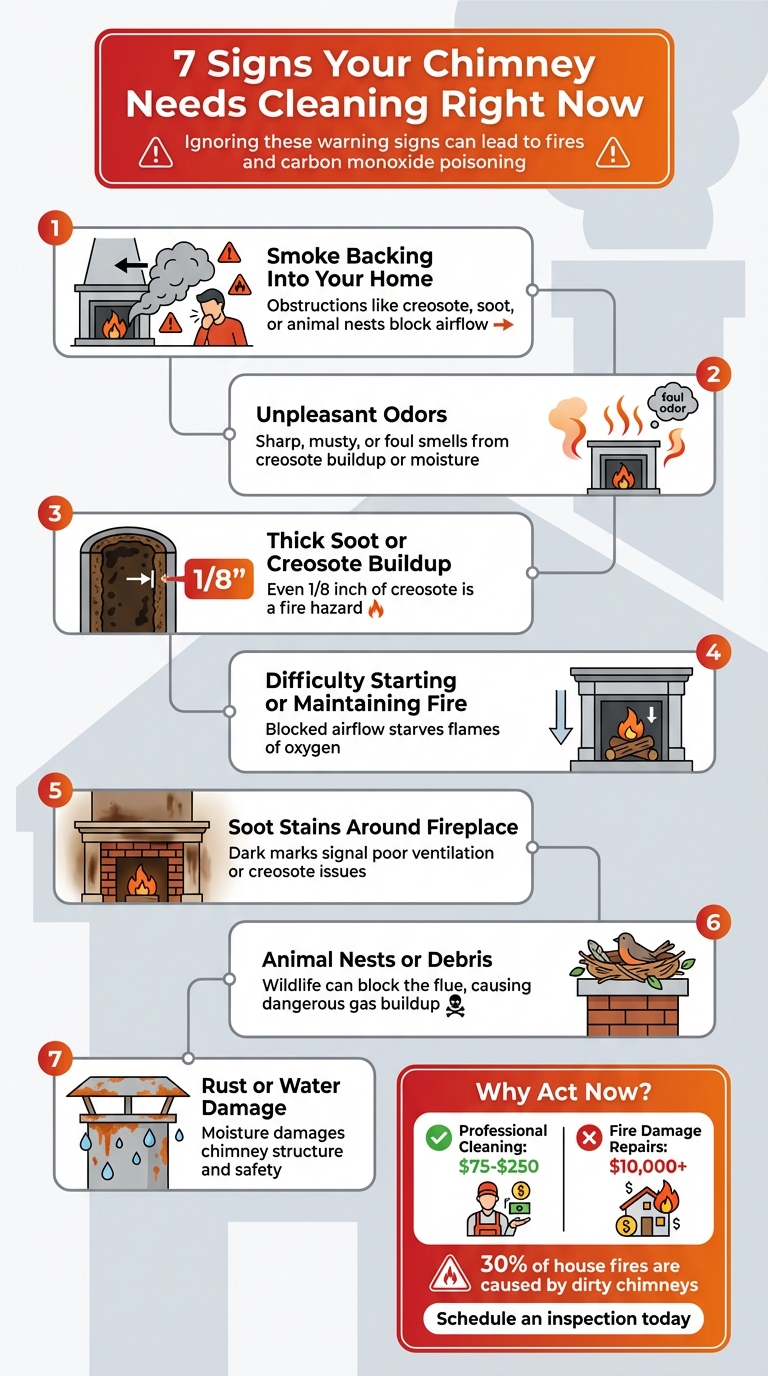
Your chimney is more than just a vent for smoke – it’s a key part of your home’s safety. Ignoring maintenance can lead to dangerous risks like fires and carbon monoxide poisoning. Here are 7 clear signs your chimney needs cleaning immediately:
- Smoke backing into your home: Obstructions like creosote, soot, or animal nests can block airflow.
- Unpleasant odors: Creosote buildup or moisture can cause sharp, musty, or foul smells.
- Thick soot or creosote buildup: Even a thin layer (1/8 inch) of creosote is a fire hazard.
- Difficulty starting or maintaining a fire: Blocked airflow can smother flames.
- Soot stains around the fireplace: Dark marks signal poor ventilation or creosote issues.
- Animal nests or debris: Wildlife can block the flue, causing dangerous gas buildup.
- Rust or water damage: Moisture from leaks can damage the chimney’s structure and safety.
Why act now? Neglecting these signs can lead to expensive repairs or life-threatening hazards. Professional cleaning costs $75–$250, while repairs from chimney fire damage can exceed $10,000. Don’t wait – schedule an inspection today to ensure your home stays safe.
7 Signs Your Chimney Needs Immediate Cleaning
Signs Your Chimney Is Blocked | Fireplace Safety Tips
1. Smoke backing up into your room
When you light a fire and smoke starts creeping back into your living space, it’s usually a sign of a backdraft. This happens when something blocks proper ventilation.
The most common culprit? Creosote and soot buildup narrowing the flue. But it’s not just that – bird nests, leaves, or twigs can also clog the chimney, forcing smoke to retreat into your home instead of heading outside. Even a thin layer of creosote is enough to restrict airflow, and it also creates a fire hazard. These obstructions can seriously impact air quality and safety, so addressing them quickly is essential.
First, check the damper. If it’s not fully open, smoke won’t vent properly and will back up into the room. If the damper is open and the problem persists, it’s likely a blockage or buildup that needs professional cleaning. In tightly sealed modern homes, cracking open a nearby window can help balance air pressure and reduce smoke issues.
“A house filled with smoke is the least of your worries. Burning wood or fuel creates carbon monoxide, a harmful and undetectable gas.” – Smoke Alert
When smoke enters your home, it can bring dangerous levels of carbon monoxide and fine particles with it. To protect your health and safety, schedule a professional chimney cleaning as soon as possible.
2. Strong or strange smells coming from the fireplace
If your fireplace gives off odd smells when it’s not in use, creosote buildup might be the culprit. Creosote is a sticky, tar-like substance that clings to chimney walls and produces a sharp, unpleasant odor. The smell tends to get worse on hot, humid days when moisture interacts with the deposits.
“When creosote mixes with moisture and heat on hot, humid summer days, the smell can intensify and permeate your home.” – Richie Baxley, Chimney Maintenance Expert, Environmental Chimney Service
A musty or mildew-like smell points to water seeping into your chimney, often through leaks or a missing chimney cap. This moisture can lead to rusted dampers and damage to the flue lining over time. On the other hand, a foul or rotting odor might mean that animal nests or decaying debris are blocking the flue. This blockage can restrict airflow, allowing dangerous gases like carbon monoxide to linger – a serious risk that contributes to over 400 deaths in the U.S. each year. Identifying these smells early could save you from more significant problems down the road.
Creosote buildup is not just smelly; it’s dangerous. Even a thin layer – just 1/8 inch thick – can ignite at temperatures above 250°F (121°C). In fact, the National Fire Protection Association reports that dirty chimneys and neglected fireplaces are responsible for 30% of house fires.
To check for creosote buildup, put on gloves and carefully scrape the chimney liner with a poker. If the layer is 1/8 inch thick or more, it’s time to call in a professional cleaner. Installing a chimney cap with mesh netting is another smart move – it helps keep out rain, animals, and debris, reducing many odor-related issues.
3. Thick Soot, Creosote, or Oily Buildup
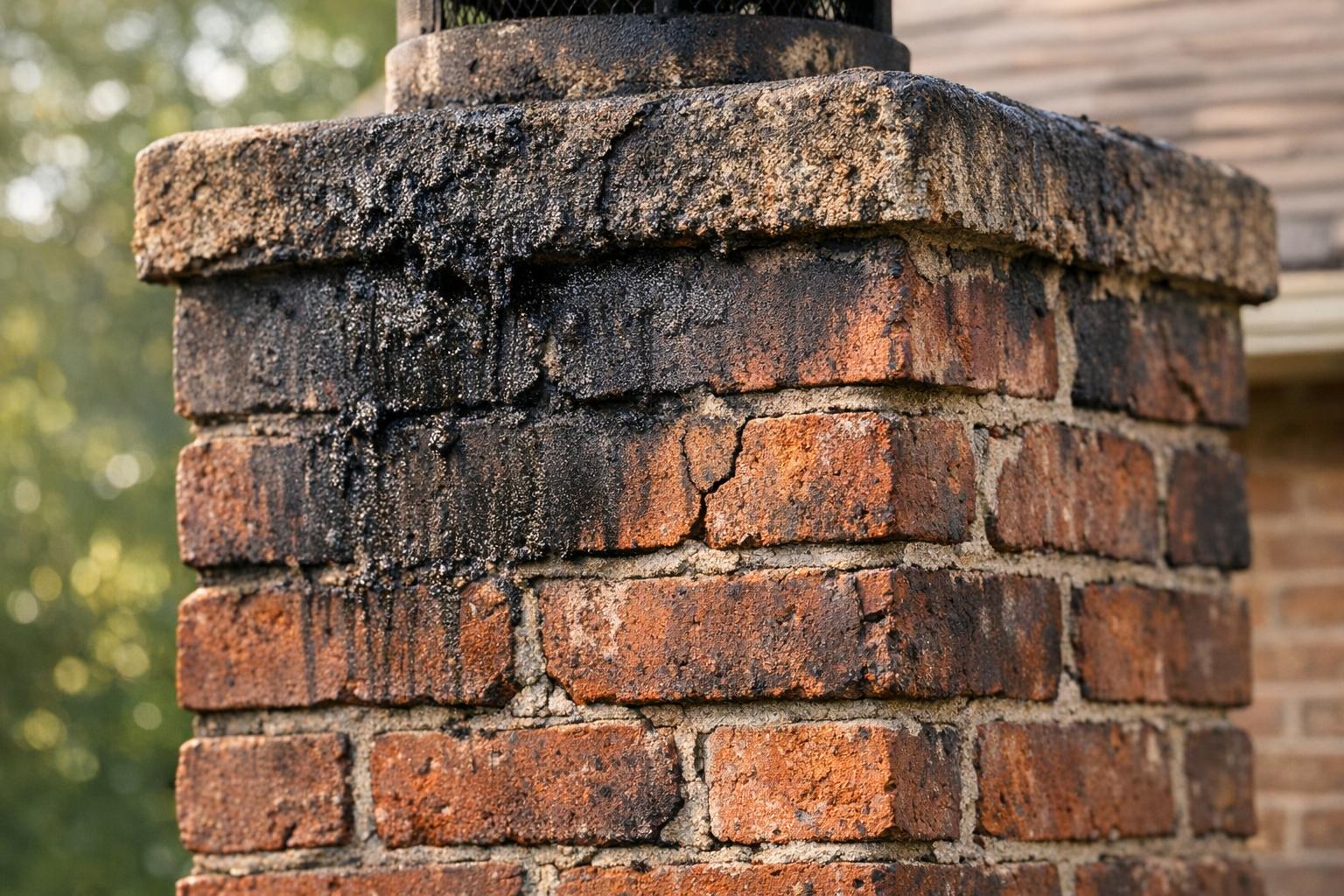
Grab a flashlight and take a close look inside your chimney. You’re checking for two types of buildup: soft, powdery soot and sticky, tar-like creosote. Creosote forms when smoke condenses on the cooler walls of your chimney, especially if you’re burning wet or unseasoned wood or if the fire isn’t getting enough oxygen. Chimneys on exterior walls are particularly prone to this because the flue tends to stay cooler. Not only does this buildup hurt your chimney’s efficiency, but it also increases the risk of a fire.
Here’s the problem: creosote is extremely flammable. Even a thin layer – just 1/8 inch – is enough to ignite a chimney fire. If it gets to 1/4 inch or more, it’s time to call in a professional for a thorough cleaning.
“A smoky fire without enough oxygen emits lots of unburned tar vapors called ‘creosote’ which can possibly lead to a chimney fire.” – Family Handyman
To check for dangerous buildup, put on gloves and carefully scrape the liner above the damper with a fireplace poker. If the groove you make is around 1/8 inch deep, it’s a clear sign you need professional help. Also, keep an eye out for dark, oily deposits dripping down the flue – this indicates advanced creosote buildup.
The most hazardous form of creosote is called “creosote glaze.” It looks like a shiny, inky coating on the chimney walls and often requires specialized chemical treatment to remove safely. To keep your chimney safe and running efficiently, burn only seasoned wood, minimize moisture, and use a reliable chimney thermometer to maintain a flue temperature between 250°F and 500°F. Catching these signs early can make all the difference.
4. Trouble starting or keeping a fire going
If you’ve noticed issues with dangerous buildup or strange odors, your chimney might also be the culprit when it comes to struggling fires.
When your fire refuses to start or fizzles out quickly, it’s often a sign that your chimney needs some attention. Fires rely on three key elements: heat, fuel, and oxygen. If soot, creosote, or debris is clogging your chimney, the airflow gets restricted. Even the best-quality wood won’t stay lit under those conditions.
Here’s why: a clean chimney allows for a proper draft – the natural upward flow of air that pulls smoke out and brings fresh air in. But when creosote builds up on the flue walls or something like an animal nest blocks the passage, that draft weakens or even stops. The result? Your fire might smolder, create too much smoke, or simply go out, no matter how hard you try to keep it burning.
“Fires need oxygen to burn. A blocked chimney restricts airflow and starves the fire of oxygen.” – Smoke Alert Home Fire Safety
Another clue is the “scrape test.” If you find 1/8 inch or more of buildup inside the chimney, it’s a clear sign that airflow is significantly restricted.
In some cases, a blocked chimney can even trap cold air, leading to backdrafts that blow out your fire before it has a chance to catch. The good news? A professional cleaning can quickly restore proper airflow, ensuring your fires burn steadily again.
These issues, paired with earlier warning signs, highlight the importance of regular chimney maintenance to keep everything running safely and efficiently.
sbb-itb-5427fa3
5. Soot Stains Around the Fireplace or Chimney
Sometimes, your fireplace might be trying to tell you something – literally leaving marks behind. If you notice dark stains around your fireplace, it’s not just a cosmetic issue. These marks are often a red flag that smoke isn’t venting properly. Instead of heading up and out through the chimney, smoke may be backing into your home. The result? Unsightly dark stains caused by blockages like creosote buildup, debris, or even animal nests clogging the airflow.
“Dark, oily marks are a sign of creosote buildup. When creosote burns, it leaves an oil residue that can stick to the fireplace or surrounding walls.” – Smoke Alert
Pay attention to the type of stain you’re dealing with. If the marks are dull and powdery, it’s likely soot. But if they’re shiny and sticky, that’s creosote – a more serious issue. Even a thin layer of creosote, about 1/8 inch thick (roughly the size of a nickel), can become a hazard.
Here’s a quick test: take a fireplace poker and scrape the buildup inside your chimney. If it measures 1/8 inch or more, it’s time to call in a professional. Another clue is a blackened or stiff damper, which often signals a widespread creosote problem.
These stains aren’t just about aesthetics or smoke; they could also mean carbon monoxide is leaking into your home. This invisible danger is serious – three out of 10 house fires stem from poorly maintained chimneys, and over 400 Americans lose their lives each year to accidental carbon monoxide poisoning linked to blocked chimneys. Spotting and addressing these warning signs early can help keep your home safe and your fireplace running smoothly.
6. Animal nests or debris blocking the flue
Your chimney can be an inviting spot for wildlife. Birds, squirrels, and raccoons often bring nesting materials inside, which can pile up and block the flue. This blockage prevents smoke and dangerous gases from escaping your home.
“Birds, squirrels, or raccoons, among other animals, get in the chimney and cause issues inside that include smells, noises, blockage, and even fires.” – Lee Roff, Chimney Maintenance Expert, Lords Chimney
Certain warning signs can clue you in to animal activity. Listen for scratching, chirping, or flapping sounds coming from the chimney. You might also spot twigs, droppings, or other debris in your firebox. Foul odors are another red flag that a nest might be obstructing your flue.
Nesting materials are highly flammable, and a single spark can turn your chimney into a fire hazard. Beyond the fire risk, blockages can trap carbon monoxide and other harmful gases in your home, creating serious health dangers. The animals themselves may also bring diseases or parasites into your living space.
Never try to clear a blockage by lighting a fire. Instead, keep the flue closed when your fireplace isn’t in use and install a chimney cap with mesh screening to keep animals out. If you suspect a blockage, stop using your fireplace immediately and contact a professional to safely remove the nest and inspect your chimney.
7. Rust, water damage, or broken parts in the firebox
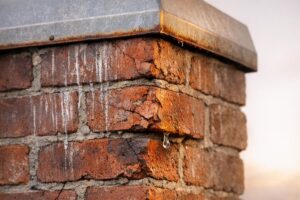
Spotting rust, water damage, or crumbling debris in your firebox? These are clear signs of moisture creeping into your chimney. Often, the culprit is a missing or damaged chimney cap, which allows rain and snow to flow directly down the flue. Other common causes include faulty flashing or a cracked crown, both of which let water seep in and wreak havoc. Once inside, moisture can lead to rust on the damper and firebox walls, creating serious safety concerns.
“Rust inside the flue is a sign that your flue is likely damaged and in need of replacement. Don’t build a fire in a fireplace with questionable problems such as rust.” – Lou Curley, Lou Curley’s Chimney Service
Moisture damage doesn’t just stop at rust – it sets off a chain reaction of deterioration. When combined with creosote, moisture speeds up the decay of your chimney liner and can create a musty smell. Freeze-thaw cycles add even more stress, as water expands when it freezes, causing masonry to crack and spall. This process can leave shards of tile, metal, or crumbling bricks in your firebox, signaling that your chimney is in serious trouble and needs professional attention right away.
Beyond the structural damage, moisture also compromises the safety and functionality of your chimney. A rusted damper may fail to seal properly, disrupting the airflow required for safe operation. If you notice rainwater dripping into your firebox or reddish-brown streaks running down the chimney, these are signs of severe structural damage that demand immediate repairs.
“The earlier you deal with moisture damage in the chimney, the better, since your chimney will experience less deterioration and costs of repair will be less.” – Chimney Specialists, Inc.
How Professional Chimney Cleaning Protects Your Home
Professional chimney cleaning tackles some of the most serious risks lurking in your chimney. One of the biggest threats? Creosote buildup. This sticky, tar-like substance clings to chimney walls and acts as a major fuel source for chimney fires. Even a small amount of creosote can pose a fire hazard, but professionals know how to remove it effectively. With over 20,000 chimney fires occurring annually in the United States, this isn’t a risk to ignore. Using specialized brushes, chimney experts can safely clear away this flammable material.
Another crucial benefit of a clean chimney is improved ventilation. Blockages caused by soot, debris, or even animal nests can prevent proper airflow, leading to dangerous gases like carbon monoxide backing up into your home. This buildup can turn deadly if left unchecked. In fact, blocked flues are a leading cause of chimney-related carbon monoxide problems, as noted by Family Handyman:
“The majority of chimney-related carbon monoxide problems happen due to improper exhausting, something almost entirely avoidable with regular inspection and cleaning by a chimney sweep.” – Family Handyman
When you hire a professional, the process doesn’t stop at cleaning. Technicians also inspect your chimney for hidden issues, such as cracked flue tiles or damaged caps, and take steps to protect your home from further problems. Typical chimney sweep services cost between $75 and $250, though repairs can increase the total price.
For homeowners in the Seattle–Tacoma area, 1 Chimney Services offers a comprehensive solution. Their certified team serves more than 60 cities across the Pacific Northwest, handling everything from inspections and cleanings to repairs. They also provide detailed reports with actionable recommendations to keep your chimney running safely and efficiently year-round. Whether it’s creosote removal, ventilation concerns, or structural fixes, addressing these issues now can save you from costly emergencies down the road.
Conclusion
Your chimney’s warning signs aren’t something to overlook. Whether it’s smoke backing up into your room or animal nests clogging the flue, ignoring these issues can turn a small inconvenience into a dangerous and expensive problem. Even a little soot buildup can increase the risk of a fire, and a blocked chimney could push deadly carbon monoxide into your home’s air.
Catching problems early not only keeps your home safe but also saves you money. A routine chimney sweep typically costs between $80 and $500. On the other hand, putting off repairs can lead to bills ranging from $160 to $750 – or worse, a complete rebuild that could set you back over $10,000. Taking quick action is a smart way to avoid unnecessary costs and stress.
Spring is the perfect time to schedule a chimney inspection. It gives you plenty of time to address any issues before the colder months roll around. If you’ve noticed any of the warning signs, don’t wait – book an inspection today.
FAQs
How often should I get my chimney cleaned by a professional?
It’s a good practice to have your chimney professionally cleaned once a year, preferably after the burning season wraps up – usually between April and June. This routine cleaning is essential for keeping your chimney safe and efficient by clearing out soot, creosote, and debris that could increase the risk of chimney fires or block proper airflow.
If you rely on your fireplace heavily during the colder months or notice issues like strange odors, a buildup of soot, or reduced performance, scheduling an inspection earlier is wise. Taking these precautions helps ensure your chimney remains safe and works smoothly throughout the year.
What health problems can a blocked chimney cause?
A clogged chimney isn’t just an inconvenience – it can pose serious health risks. When a chimney is blocked, harmful substances like smoke, carbon monoxide, and toxic chemicals such as benzene and formaldehyde can seep into your living space. These pollutants are more than just irritants; they can lead to respiratory problems, aggravate asthma, and, in severe cases, cause carbon monoxide poisoning, which can be fatal.
The dangers don’t stop there. Long-term exposure to these toxins can significantly increase the likelihood of developing heart and lung diseases. Regular chimney maintenance isn’t just about keeping things running smoothly – it’s about safeguarding your family’s health and maintaining good air quality in your home.
Can the type of wood I burn reduce creosote buildup in my chimney?
Burning dry, seasoned hardwood – such as oak, maple, or hickory – can significantly cut down on creosote buildup compared to using wet or green wood. Why? Dry wood burns more efficiently, creating less smoke and fewer sticky byproducts that cling to your chimney walls.
That said, even with the right wood, creosote can still build up over time. To stay safe and avoid risks like chimney fires or carbon monoxide exposure, regular chimney cleanings are a must.